
DENTON- A virtual maze study conducted by a student at the University of North Texas has found a trend in the way people rely on their memory to get them places.
Oahn Luc, a student investigator for the research project created the virtual maze game along with the Department of Behavioral Analysis to study the effects environmental changes have on memory.
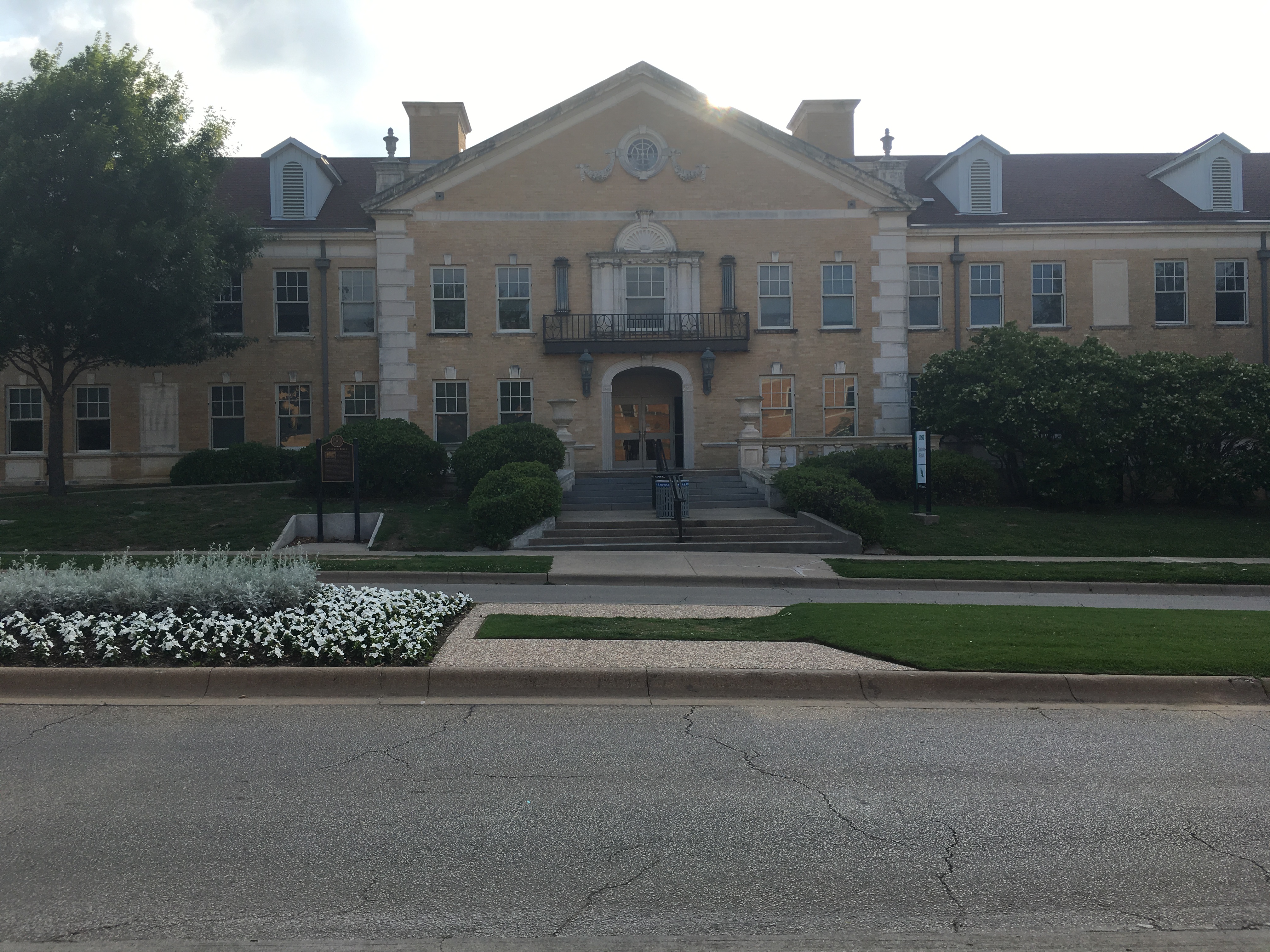
The project, first developed spring semester of 2018, is now collecting research data at Chilton Hall.
The results show a consistent trend in memory. Student participants initially use contextual cues or objects in their environment to make their way out of the maze.Then as students moved through each trial of the maze, they began to rely on their own sense of direction. It showed they began to rely on their own sense of direction.
“I think this is a novel way to investigate this sort of learning that might help contribute to the scientific literature at large and especially in bridging the two fields of behavior analytic methods and neuroscientific findings which is the goal, the end goal,” Luc said.
The virtual maze takes about 45 minutes to an hour to navigate. Student participants are also rewarded $10 for an hour of their time.
The goal is for participants to try to remember how to get to the end of the maze.
“We are hoping that this will shed light on things that were unexplained in these other fields that maybe we can help provide explanations,” Luc said.
 JaeNews