
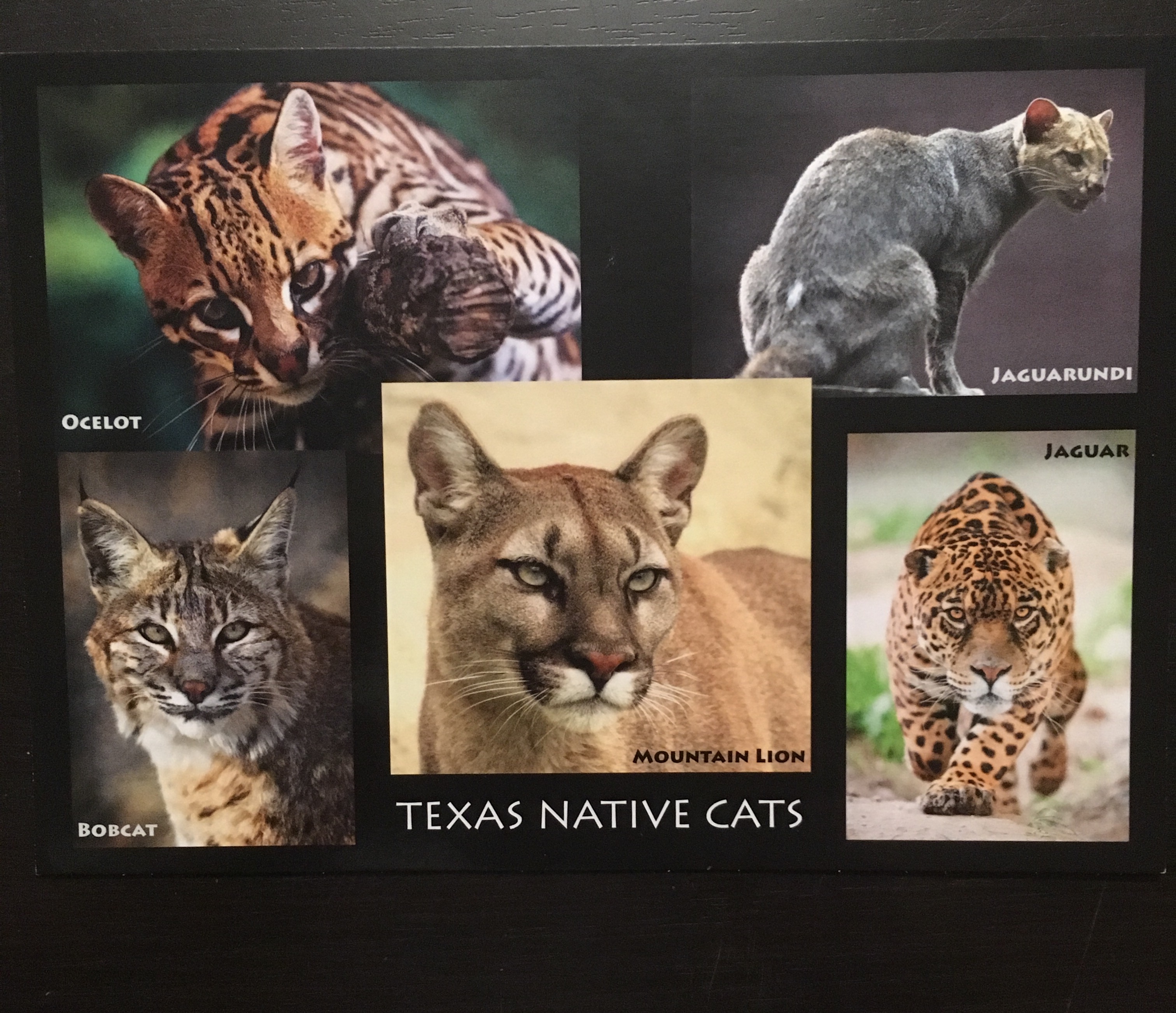
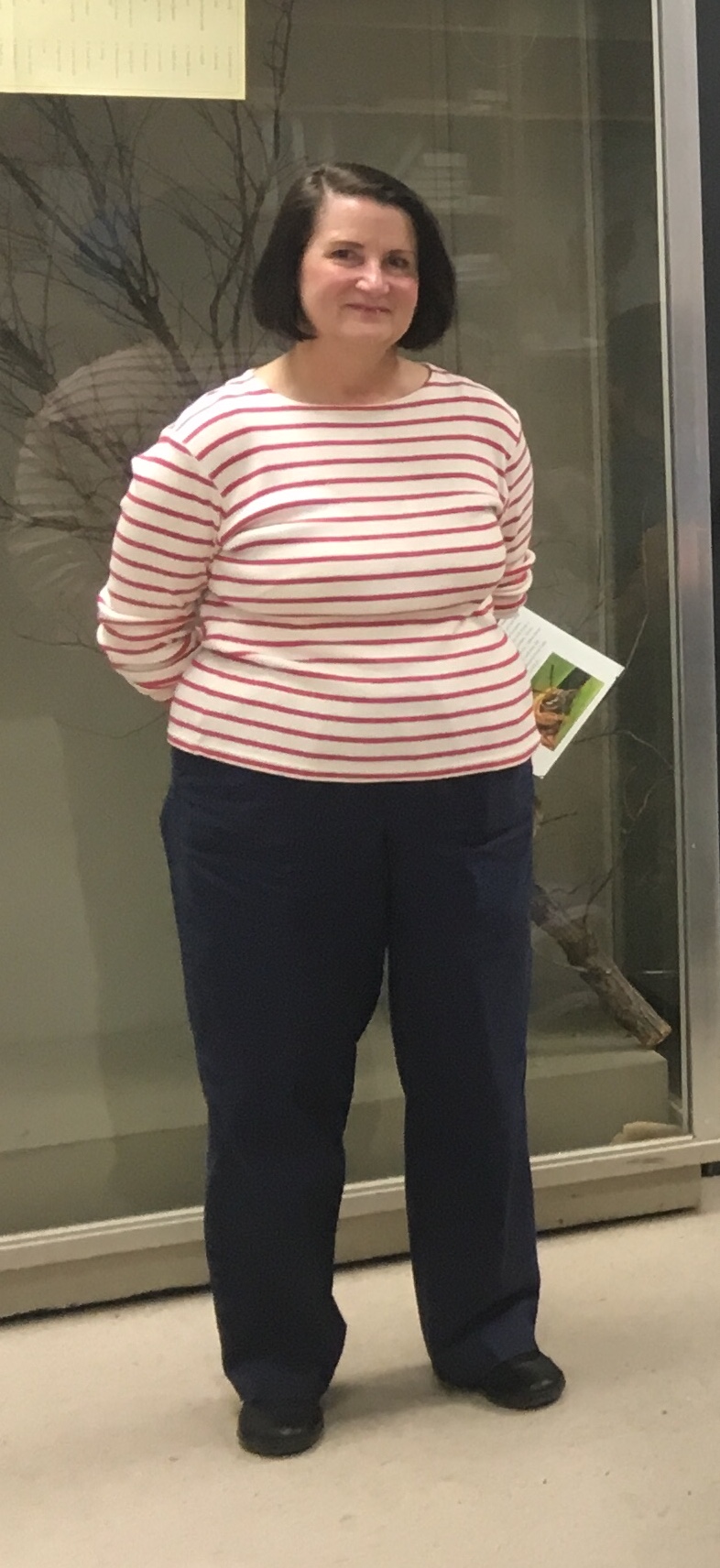
DENTON- Texas native cats are often overlooked, endangered and receive little protection, said Texas native cats expert, Monica Morrison, who was a guest speaker Monday night by an ecology club at the University of North Texas.
As a club, Strategies for Ecological Education, Diversity and Sustainability (SEEDS) brings awareness to habitat and wildlife issues.
SEEDS also educates its members on various topics by inviting guest speakers and experts.
This week’s meeting in the Environmental Science Building was all about cats, the wild ones in Texas, who have no voice.
The small group who attended the meeting was shocked at some of the facts Morrison presented.
For example, the state can decide which species are game animals, so native cats can be killed at any time in Texas.
In one of Austin’s annual open meetings it was mentioned that “Commission has regulatory authority over non game species, so they can decide what regulations [Texans] require and don’t,” Morrison said.
Shannon Wallace, SEEDS club member, says she would like to work with animals in some way and was surprised with legislation concerning Texas native cats.
“Legislation had been brought up such a long time ago but nothing has happened,” Wallace said.
SEEDS president and ecology major, Schyler Brown, says he wasn’t aware of some wild cat facts.
“I was surprised most to hear that so little research has actually been done in the last decade on big cats,” Brown said.
Brown says he hopes club members found Morrison’s presentation interesting and looks forward to keeping in touch with her in the future.
“Guest speakers play an integral part of the club because they present project and research opportunities as well as real world problems to the members,” Brown said.
SEEDS may be a small club, but Brown says he hopes to bring in more students and increase diversity because it is predominantly made up of ecology students.
Nominations for new club officers will also be up soon because its current officers are mostly upperclassmen.
“I’ll be a part-time student next semester, and cannot be a part of a club so I need new officers,” Brown said.
WILD CAT FACT BOX:
- What to do when you spot a wild cat- Make yourself bigger, throw sticks, growl, don’t crouch, and whatever you do, do not run!
- More than 95 to 98 percent of land is privately owned in Texas
- Land owners or people are a part of the reason for animal extinction and habitat loss.
- We got rid of mountain lions in the eastern part of the United States in the early 1900s
- Big cats can live 10 to 12 years in the wild and up to 20 years in captivity.
- We need predators, they are essential to ecology.
- Big cats can live ten to twelve years in the wild and up to twenty years in captivity.
- We need predators, they are essential to ecology.
 JaeNews